MEC&F Expert Engineers

Wednesday, August 19, 2015

Hurricane Katrina 10 years on: lessons learned and new risks for businesses


Storms are a global peril causing billions in losses, accounting for 40% of natural hazard insurance claims. Fifth top cause of loss for businesses, analysis shows.


US top loss location. Maritime industry highly-exposed. Asia losses to increase.
Katrina has improved catastrophe risk management. Impact of storm and demand surge, business continuity and insurance coverage key lessons learned.
Pre- and post-storm risk management can still be improved. Preparedness crucial to mitigate increasing losses in future.

PRESS RELEASE - Johannesburg, London, New York, Munich, Paris, Singapore, Rio de Janeiro. August 18, 2015.

4,000 lives lost during the 2005 hurricane season, 80% of the city of New Orleans flooded, US$125 billion in overall damages and 1.7 million insurance claims filed: Hurricane Katrina, which struck the Gulf Coast of the US on August 29, 2005, remains the largest-ever windstorm loss. However, severe windstorm loss is not exclusive to North America. It is a global peril with more than 50 countries having suffered significant windstorm losses in recent years, insurance claims analysis shows. To mark the 10-year anniversary of Katrina, a new risk bulletin from Allianz Global Corporate & Specialty (AGCS) – Hurricane Katrina 10: Catastrophe Management And Global Windstorm Peril Review – analyzes windstorm risks and losses and examines the lessons learned from Katrina for future global windstorm loss mitigation, given increasing weather volatility.

“Katrina will always be remembered as an extraordinary natural disaster that foremost affected millions of individuals and businesses, but also left an indelible impact on the global insurance industry,” says Chris Fischer Hirs, CEO of AGCS. “Storms can have a devastating effect for businesses. Even without considering the influence of climate change the prospect of increasing losses is more likely in future due to continuing economic development in hazard-prone urban coastal areas around the world and in Asia in particular. Preparedness is a key issue to limit windstorm exposure and the lessons learned from major catastrophes such as Katrina can help businesses mitigate the impact of future events. AGCS is committed to working closely with clients and risk managers and sharing its insight to help ensure they are as prepared as possible.”

A decade on from Katrina, although businesses’ catastrophe risk management awareness has matured, there is still room for further improvement with a greater emphasis needed on reviewing pre-loss and post-loss risk management. Business continuity planning and indirect supply chain exposures are areas which would benefit from greater attention. If such procedures are not in place or reviewed, the magnitude of windstorm losses can increase significantly. 


40% of natural hazard claims windstorm-related

Whether it is hurricanes in the US, typhoons in Asia or winter storms in Europe – strong winds can easily cause property and business interruption losses for companies, as an analysis of more than 11,000 AGCS major business insurance claims worldwide (> €100,000) indicates. Over 400 storm-related claims were filed during this period[1], meaning windstorm ranks fifth in the top 10 causes of loss for business according to value of claims. Windstorm losses account for approximately 40% of all natural hazard losses by number of claims and 26% by value, according to AGCS analysis.

The US is the top loss location, accounting for half (49%) of the global claims analyzed, followed by Europe (19%), Asia (6%) and Central America (3%). Losses across Asia are expected to rise exponentially in future with 80% of the top 10 exposed locations to coastal flooding from storm surge and wind damage expected to be in this region in the next 50 years. Growth of exposure is far outpacing take-up of insurance coverage resulting in a growing gap in natural catastrophe preparedness. 


Marine sector impacted

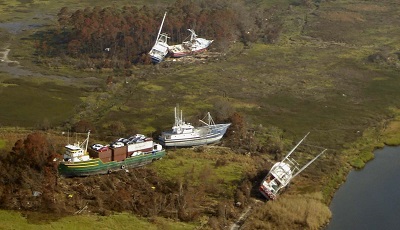
Claims analysis shows the maritime industry is highly-exposed to such losses, accounting for 60% of windstorms claims analyzed by number compared with 30% for property. Destruction of high-value pleasure craft, commercial vessels and cargo can significantly increase the loss tab. “Claims can also be incurred due to water ingress into ships’ cargo holds damaging the cargo,” explains Captain Rahul Khanna, Global Head of Marine Risk Consulting, AGCS. “Storms can also damage or destroy ports or coastal infrastructure, including warehouses and stored cargo, cranes, quaysides, terminals, buoys and sheds.”
Lessons learned from Katrina – storm surge to demand surge

Katrina and other storms such as Sandy have helped to greatly improve catastrophe risk research and modeling. Katrina showed the impact of storm surge can often be more damaging than high wind speeds and that the physical size of the hurricane can affect the surge itself. Storm surge has been a contributing factor in half of the top 10 costliest storm losses in US history, with these five storms having collectively caused almost $125bn in insured losses.

The flooding caused by Katrina also showed the state of the levee systems in the US to be substandard and in need of repairs estimated to be $100bn, according to the National Committee on Levee Safety. There are many levee systems throughout the US that would reveal similar deficiencies if subjected to the same level of scrutiny as those in New Orleans.

Katrina also outlined the need for better wind damage protection. Most of the wind damage caused by Katrina occurred to the building envelope, comprising roof covering, walls and windows. “If the building codes had been strictly followed, wind damage would have been greatly reduced,” says Andrew Higgins, Technical Manager, Americas, Allianz Risk Consulting. “Poor workmanship and a lack of knowledge were the primary culprits.” After Katrina, Allianz developed enhanced roof surveys, placing greater scrutiny on condition and age of roofs.

Importance of business continuity in the aftermath of a catastrophe, knowing exactly what is covered by the insurance policy ahead of a windstorm event and the unexpected impact of demand surge are the other key lessons learned. Katrina showed demand surge for materials in order to rebuild after a catastrophe not only leads to rising prices and supply shortages but can also have peripheral loss consequences, such as were seen post-Katrina with the use of sub-standard batches of Chinese drywall.

“Today, the Gulf Coast is better prepared to withstand the effects of a hurricane due to better education, improved construction guidelines and increased third party inspection,” says Higgins.
Mitigating the impact of increasing losses from windstorm events

While scientists cannot provide a conclusive answer to the question of how climate change impacts storms, most agree severity of windstorms will change in future. Based on Allianz experience the severity of losses from weather events including windstorms is already increasing. The average amount paid for extreme weather events including windstorms by insurers between 1980 and 1989 totaled $15bn a year. Between 2010 and 2013 this rose to an average of $70bn a year.

Adequate preparedness before a storm arrives is key in order to mitigate potential losses, particularly in areas such as construction sites which are extremely susceptible. There are four crucial areas of windstorm loss mitigation: 


Pre-windstorm planning including development of a comprehensive emergency plan and testing it. Inspect roofs and the building envelope; anchor large equipment and prepare for possible flooding.


During a windstorm response personnel should monitor for leaks, fire and damage. 


After a windstorm the site should be secured to prevent unauthorized entry. 

An immediate damage assessment should be conducted if safe to do so. 

Business continuity management is crucial as just-in-time production, lean inventories and global supply chains can easily multiply negative effects.


 Property damage and business interruption are usually covered by insurance policies but often there is loss of market share, suppliers, clients and staff.

 Businesses should develop and test business continuity plans and communication cascades. Have insurance policies at a safe accessible location.

Hurricane Katrina struck the Gulf Coast of the US on August 29, 2005. It remains the largest-ever windstorm loss and the costliest disaster in the history of the global insurance industry


White Papers & Case Studies
Hurricane Katrina 10


Hurricane Katrina struck the Gulf Coast of the US on August 29, 2005. It remains the largest-ever windstorm loss and the costliest disaster in the history of the global insurance industry, causing as much as $125bn in overall damages and $60bn+ in insured losses.

To mark the 10-year anniversary of Katrina, the risk bulletin Hurricane Katrina 10: Catastrophe Management And Global Windstorm Peril Review analyzes windstorm risks and losses and examines the lessons learned from Katrina for future global windstorm loss mitigation, given increasing weather volatility.


> Download the full report here


Summary

Storms can have a devastating impact for businesses. Even without considering the impact of climate change the prospect of increasing losses is more likely in future. This is due to continuing economic development in hazard-prone urban coastal areas around the world and in Asia in particular, where growth of exposure is far outpacing take-up of insurance coverage, resulting in a growing gap in natural catastrophe preparedness.

AGCS business insurance claims analysis shows windstorm is the fifth top cause of loss for businesses. 40% of natural hazard claims are storm-related. US is the top loss location accounting for almost half (49%) of 400+ windstorms claims analyzed over a five accident year period. [1] More than 50 countries around the world have suffered significant windstorm insurance losses in recent years. [2]

Top 5 regions by number of business claims


Europe is the second top loss region (19%), followed by South East and Far East Asia (6%), Central America (3%) and Australia and New Zealand (3%). Claims analysis shows the maritime industry is highly exposed to such losses, accounting for 60% of windstorms claims by number compared with 30% for property. High-value claims include loss of commercial vessels, pleasure craft and cargo. However, storms can also damage or destroy ports or coastal infrastructure, including warehouses, cranes, quaysides, terminals, buoys and sheds.


Lessons learned from Katrina

Katrina has helped to improved catastrophe risk management awareness. Impact of storm and demand surge, business continuity and insurance coverage details are among the key lessons learned. A decade later the Gulf Coast is better prepared to withstand the effects of a hurricane due to better education, improved construction guidelines and increased third party inspection. However, businesses still need to place greater emphasis on reviewing pre- and post-loss risk management. Preparedness is crucial to mitigating increasing storm losses, particularly in highlysusceptible areas such as construction sites.
Windstorm loss mitigation

Business continuity planning and indirect supply chain exposures are areas which would benefit from greater attention. If such procedures are not in place or reviewed, the magnitude of windstorm losses can increase significantly. There are four crucial stages to windstorm loss mitigation – pre-, during and post-windstorm and business continuity. Business planning should include development of a comprehensive windstorm emergency plan, to be updated and tested regularly.
Business continuity management is crucial as just-intime production, lean inventories and global supply chains can easily multiply negative effects. Property
damage and business interruption are usually covered but often there is loss of market share, suppliers, clients and staff. Continuity plans also need to be tested.

Read the press release about the release of the risk bulletin 'Hurricane Katrina 10'.

***

[1] 1 11,427 corporate claims from 148 countries with a total value of more than €21.5bn, were analyzed, each with a total value after deductible of €100,000 or higher. There were 426 windstorm claims. All claims figures are 100% (not only the AGCS share but including coinsurers shares)
[2] between 2009 and 2013.

All currencies $US unless stated

Alliance Global Insurance: The U.S. is the top country in the world for windstorm related insurance damage claims


U.S. Tops Windstorm Damage Claims
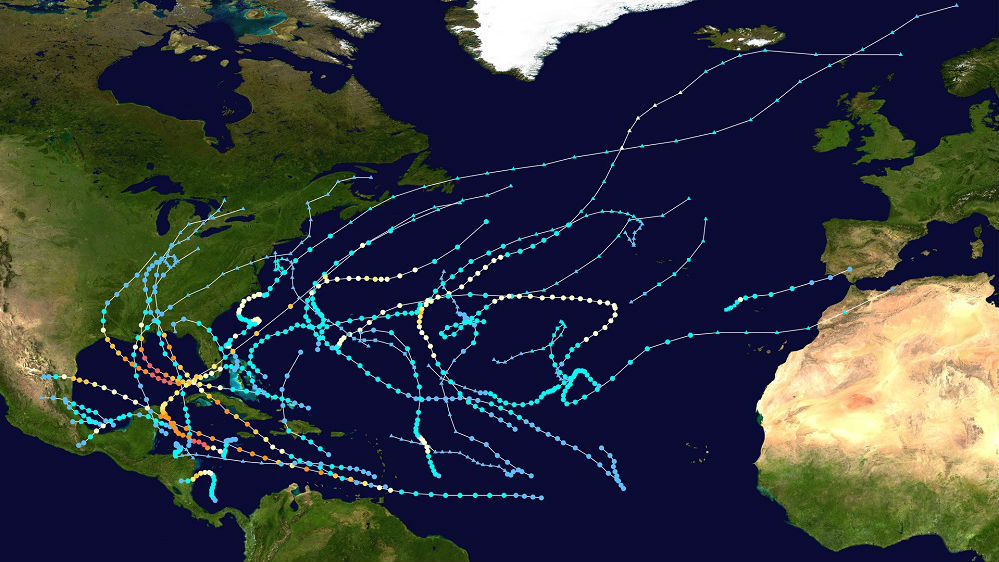
2005 Atlantic Hurricane Season

By Wendy Laursen 2015-08-18 17:24:23

The U.S. is the top location in the world for windstorm related insurance claims, says insurer Alliance Global Corporate & Specialty, and there are lessons to be learnt for shipowners from the largest one, Hurricane Katrina, 10 years on.

To mark the 10-year anniversary of Hurricane Katrina, Allianz Global Corporate & Specialty (AGCS) has released a report Hurricane Katrina 10: Catastrophe Management And Global Windstorm Peril Review. The report analyzes windstorm risks and losses and examines the business lessons learned from Katrina for future global windstorm loss mitigation, given increasing weather volatility.

Hurricane Katrina, which struck the Gulf Coast on August 29, 2005, remains the largest-ever windstorm loss. Four thousand lives were lost during the 2005 hurricane season, 80 percent of the city of New Orleans flooded, $125 billion in overall damages and 1.7 million insurance claims filed.

“Katrina will always be remembered as an extraordinary natural disaster that affected millions of individuals and businesses and left an indelible impact on the global insurance industry,” says Hugh Burgess, head of corporate lines of AGCS. “Even without considering the influence of climate change, the prospect of increasing losses due to storms is more of a result of continued economic development in hazard-prone developed coastal areas. Preparedness limits windstorm exposure and Katrina has taught us many lessons on this front.”
Forty percent of natural hazard claims windstorm-related

Whether it is hurricanes in the U.S., typhoons in Asia or winter storms in Europe, windstorm ranks fifth in the top 10 causes of loss for business according to value of claims, according to an AGCS analysis of more than 11,000 AGCS major business insurance claims worldwide from 2009 to 2013. Windstorm losses account for approximately 40 percent of all natural hazard losses by number of claims and 26 percent by value.

The U.S. is the top loss location, accounting for half (49 percent) of the global claims analyzed, followed by Europe (19 percent), Asia (nine percent) and Central America (three percent). Growth of exposure is far outpacing take-up of insurance coverage resulting in a growing gap in natural catastrophe preparedness.

Marine sector accounts for majority of windstorm claims

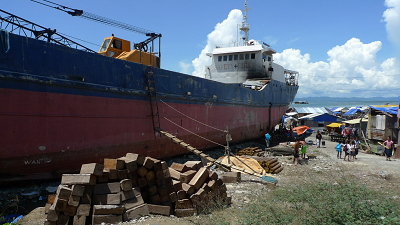
Claims analysis reveals the maritime industry accounts for 60 percent of windstorms claims analyzed by number compared with 30 percent for property. Destruction of high-value pleasure craft, commercial vessels and cargo can significantly increase the loss tab.

“Claims can also be incurred due to water ingress into ships damaging the cargo,” says Captain Andrew Kinsey, Senior Marine Risk Consultant, AGCS. “Storms can also damage or destroy ports or coastal infrastructure, including warehouses and stored cargo, cranes, quaysides, terminals, buoys and sheds.”

Shipowners at Risk

Kinsey says shipowners need to understand the fact that ships are safest at sea; that is the environment that they are designed for. Diligent weather tracking and optimal route planning are critical during storm seasons. The effects of a major storm can have long lasting impacts on the infrastructure of a port.

Are the channels navigable, or has shoaling occurred? Are the terminals, pilots, tugs and other support services back up and operating to receive cargo?

“An often overlooked aspect of the infrastructure puzzle is if the follow on pieces of the supply chain are ready to handle and deliver the cargo to its final destination. Major storms do not just affect the waterborne aspect of transportation; road and rail systems are also impacted,” says Kinsey.

“At AGCS we advise shipowners of the importance of having a “Plan B” for handling their cargo and keeping their vessels on schedule. Contingency planning is critical, and it should not just be a binder that is kept on the shelf. It should be a plan that is regularly reviewed and the parties included actively involved in.”

Lessons learned from Katrina

Storm Surge - Katrina and other storms such as Sandy have helped to greatly improve catastrophe risk research and modeling. Katrina showed the impact of storm surge can often be more damaging than high wind speeds and that the physical size of the hurricane can affect the surge itself. Storm surge has been a contributing factor in half of the top 10 costliest storm losses in U.S. history, with these five storms having collectively caused almost $125 billion in insured losses.

U.S. Levees - The flooding caused by Katrina also showed the state of the levee systems in the U.S. to be substandard and in need of repairs estimated to be $100 billion, according to the National Committee on Levee Safety. There are many levee systems throughout the U.S. that would reveal similar deficiencies if subjected to the same level of scrutiny as those in New Orleans.

Wind Damage - Most of the wind damage caused by Katrina occurred to the building envelope, comprising roof covering, walls and windows. After Katrina, Allianz developed enhanced roof surveys, placing greater scrutiny on condition and age of roofs.

Demand Surge - The aftermath of Katrina was marked by a surge in demand for building materials, resulting in rising prices and supply shortages. This can also have peripheral loss consequences, as were seen post-Katrina with the use of substandard, hazardous resources.

“Today, the Gulf Coast is better prepared to withstand the effects of a hurricane due to better education, improved construction guidelines and increased third party inspection,” says Thomas Varney, Regional Manager, North America, Allianz Risk Consulting.

Extreme weather risk mitigation

Based on Allianz’s analysis, the severity of losses from weather events, including windstorms, is increasing. The average amount paid for extreme weather events by insurers between 1980 and 1989 totaled $15 billion a year. Between 2010 and 2013, this rose to an average of $70 billion a year.

The report is available here.

Wyoming routinely ranks at or near the top of the states with the most workplace deaths per capita


AUGUST 18, 2015


CHEYENNE (WTE) - 


A Wyoming legislative committee has decided not to move forward with a study that would have looked at the effectiveness of the state's Occupation Safety and Health Administration office.

The Legislature's Management Audit Committee released a scoping paper earlier this month on the potential evaluation of the state-run agency.

But the group decided to hold off on ordering legislative staff to conduct a full study of the agency.

Wyoming routinely ranks at or near the top of the states with the most workplace deaths per capita.

Workplace safety advocates, including the Wyoming AFL-CIO, said they are disappointed in the decision by the lawmakers not to pursue the study.

OSHA issues citations over 6 safety violations, fines Viesel Fuel over April 1 fire and explosions in Stuart bio-diesel plant in Florida


WPTV


WPTV Webteam 

August 18, 2015 

STUART, FLORIDA

The U.S. Department of Labor's Occupational Safety and Health Administration (OSHA) has issued citations to Viesel Fuel after an April 1 explosion at the Stuart bio-diesel facility.

The company was cited with six safety violations, three of them classified as "serious."

The penalties totaled $13,090.

“The employees at Viesel Fuel were lucky to escape serious injury or death during this explosion. However, management cannot wait for an OSHA inspection or an event such as an explosion to assess and identify safety hazards in the work place. It is the employer’s responsibility to protect workers,” said Condell Eastmond, director of OSHA’s Fort Lauderdale Area Office.

According to OSHA, the violations involve Viesel Fuel failing to have portable fire extinguishers mounted and located so they were readily accessible, several electrical deficiencies, and not providing effective information and training on hazardous chemicals.