MEC&F Expert Engineers

Friday, October 27, 2017

People can get leptospirosis when they have contact with soil or water containing urine from infected animals, or direct contact with urine from infected animals.


Leptospirosis is a bacterial disease spread by urine from infected animals, which can include many different types of animals such as rodents, dogs, livestock and wildlife. People can get leptospirosis when they have contact with soil or water containing urine from infected animals, or direct contact with urine from infected animals. Some activities that increase a person’s risk of getting sick include:
  • Drinking from untreated water sources that are contaminated (including floodwater, streams, rivers, contaminated tap water)
  • Bathing, wading, or swimming in contaminated water, especially when putting their head under water or when a person has an open wound or scratch.
  • Eating food that’s been exposed to contaminated water or has been eaten or potentially urinated on by rodents.
Symptoms can develop between 2 and 30 days but usually between 5 and 14 days after someone is exposed to the bacteria. In most cases, the illness involves flu-like symptoms (fever, chills, muscle aches, and headaches). Other symptoms may include: conjunctivitis (red eyes), vomiting, diarrhea, stomach pain, jaundice (yellowing of the skin and eyes), and skin rash. Anyone with symptoms of leptospirosis should see a doctor as soon as possible. Early treatment with antibiotics may help prevent more severe illness and decrease the length of the illness


Infection

Image of someone working the soil.
The bacteria that cause leptospirosis are spread through the urine of infected animals, which can get into water or soil and can survive there for weeks to months. Many different kinds of wild and domestic animals carry the bacterium.
These can include, but are not limited to:
  • Cattle
  • Pigs
  • Horses
  • Dogs
  • Rodents
  • Wild animals
When these animals are infected, they may have no symptoms of the disease.
Infected animals may continue to excrete the bacteria into the environment continuously or every once in a while for a few months up to several years.
Humans can become infected through:
  • Contact with urine (or other body fluids, except saliva) from infected animals.
  • Contact with water, soil, or food contaminated with the urine of infected animals.
The bacteria can enter the body through skin or mucous membranes (eyes, nose, or mouth), especially if the skin is broken from a cut or scratch. Drinking contaminated water can also cause infection. Outbreaks of leptospirosis are usually caused by exposure to contaminated water, such as floodwaters. Person to person transmission is rare.

Signs and Symptoms

Image of a person sick.
In humans, Leptospirosis can cause a wide range of symptoms, including:
  • High fever
  • Headache
  • Chills
  • Muscle aches
  • Vomiting
  • Jaundice (yellow skin and eyes)
  • Red eyes
  • Abdominal pain
  • Diarrhea
  • Rash
Many of these symptoms can be mistaken for other diseases. In addition, some infected persons may have no symptoms at all.
The time between a person's exposure to a contaminated source and becoming sick is 2 days to 4 weeks. Illness usually begins abruptly with fever and other symptoms. Leptospirosis may occur in two phases:
  • After the first phase (with fever, chills, headache, muscle aches, vomiting, or diarrhea) the patient may recover for a time but become ill again.
  • If a second phase occurs, it is more severe; the person may have kidney or liver failure or meningitis. This phase is also called Weil's disease.
The illness lasts from a few days to 3 weeks or longer. Without treatment, recovery may take several months.


Risk of Exposure

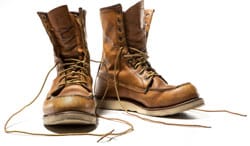
Image of work boots.
Leptospirosis occurs worldwide, but is most common in temperate or tropical climates. It is an occupational hazard for many people who work outdoors or with animals, such as:
  • Farmers
  • Mine workers
  • Sewer workers
  • Slaughterhouse workers
  • Veterinarians and animal caretakers
  • Fish workers
  • Dairy farmers
  • Military personnel
The disease has also been associated with swimming, wading, kayaking, and rafting in contaminated lakes and rivers. As such, it is a recreational hazard for campers or those who participate in outdoor sports. The risk is likely greater for those who participate in these activities in tropical or temperate climates.
In addition, incidence of Leptospirosis infection among urban children appears to be increasing.

Treatment

Image of pills in bottle.
Leptospirosis is treated with antibiotics, such as doxycycline or penicillin, which should be given early in the course of the disease.
Intravenous antibiotics may be required for persons with more severe symptoms. Persons with symptoms suggestive of leptospirosis should contact a health care provider.


Prevention

The risk of acquiring leptospirosis can be greatly reduced by not swimming or wading in water that might be contaminated with animal urine, or eliminating contact with potentially infected animals.
Protective clothing or footwear should be worn by those exposed to contaminated water or soil because of their job or recreational activities.


Health Care Workers

Technical Information

Clinical Features

Symptoms include fever, headache, chills, muscle aches, vomiting, jaundice, anemia, and sometimes a rash. The incubation period is usually 7 days, with a range of 2-29 days. If not treated, the patient could develop kidney damage, meningitis, liver failure, and respiratory distress. In rare cases, death occurs.

Etiologic Agent

Leptospires are long, thin, motile spirochetes. They may be free-living or associated with animal hosts and survive well in fresh water, soil, and mud in tropical areas. Organisms are antigenically complex, with over 200 known pathogenic serologic variants. Although certain geographic regions contain specific leptospiral serovars and species, the serologic characterization of an isolate is not an absolute predictor of its species designation.

Sequelae

Clinical course is highly variable. The serious icteric form (Weil’s disease) is not common, but hemorrhage, hepatomegaly, pulmonary hemorrhage, ARDS, and jaundice are among the severe features. Case fatality rate is 1 to 5%.

Surveillance

Leptospirosis has been reinstated as a nationally notifiable disease as of January 2013. Read the updated 2013 case definition. Until CDC can receive case data via the Nationally Notifiable Disease Surveillance System, please send case notifications on the case report form[PDF – 1 MB].

Incidence and Trends

  • It is estimated that 100-200 Leptospirosis cases are identified annually in the United States. About 50% of cases occur in Hawaii.
  • The largest recorded U.S. outbreak occurred in 1998, when 775 people were exposed to the disease. Of these, 110 became infected.
  • Although incidence in the United States is relatively low, leptospirosis is considered to be the most widespread zoonotic disease in the world.
  • Significant increases in incidence have been reported from Peru and Ecuador following heavy rainfall and flooding in the spring of 1998. Thailand has also reported a rapid increase in incidence between 1995 and 2000.


Avoid Wound Infections: Emergency Wound Care After a Natural Disaster

Emergency Wound Care After a Natural Disaster


Woman putting a bandaid[NOTE: Health professionals should see Emergency Wound Management for Healthcare Professionals.]
The risk for injury during and after a hurricane and other natural disasters is high. Prompt first aid can help heal small wounds and prevent infection. Tetanus, other bacterial infections, and fungal infections are potential health threats for persons who have open wounds.
Seek medical attention as soon as possible if:
  • There is a foreign object (soil, wood, metal, or other objects) embedded in the wound;
  • The wound is at special risk of infection (such as a dog bite or a puncture by a dirty object);
  • An old wound shows signs of becoming infected (increased pain and soreness, swelling, redness, draining, or you develop a fever).

How to Care for Minor Wounds

  • Wash your hands thoroughly with soap and clean water if possible.
  • Avoid touching the wound with your fingers while treating it (if possible, use disposable, latex gloves).
  • Remove obstructive jewelry and clothing from the injured body part.
  • Apply direct pressure to any bleeding wound to control bleeding.
  • Clean the wound after bleeding has stopped.
    • Examine wounds for dirt and foreign objects.
    • Gently flood the wound with bottled water or clean running water (if available, saline solution is preferred).
    • Gently clean around the wound with soap and clean water.
    • Pat dry and apply an adhesive bandage or dry clean cloth.
  • Leave unclean wounds, bites, and punctures open. Wounds that are not cleaned correctly can trap bacteria and result in infection.
  • Provide pain relievers when possible.

Other Considerations

  • Expect a variety of infection types from wounds exposed to standing water, sea life, and ocean water.
  • Wounds in contact with soil and sand can become infected.
  • Puncture wounds can carry bits of clothing and dirt into wounds and result in infection.
  • Crush injuries are more likely to become infected than wounds from cuts.
  • Take steps to prevent tetanus
If you have wounds, you should be evaluated for a tetanus immunization. If you receive a puncture wound or a wound contaminated with feces, soil, or saliva, have a health care professional determine whether a tetanus booster is necessary based on individual records.

References

  • Krohmer, J.R., Rapp M.T. & American College of Emergency Physicians.(2001). First aid manual: A comprehensive guide to treating emergency victims of all ages in any situation. (3 rd ed.) New York : Dorling Kindersley Limited.
  • Tintinalli, J.E., Kelen, G.D., Stapczynski, J.S., & American College of Emergency Physicians. (2004). Emergency medicine: A comprehensive guide. (6th ed.) New York : McGraw-Hill.

Thursday, October 26, 2017

More than 50 apartment units and dozens of cars damaged by flash flooding in Boone, NC


More than 50 apartment units and dozens of cars damaged by floodwaters in Boone 


Monday, October 23rd 2017, 10:42 pm EDTMonday, October 23rd 2017, 10:55 pm EDT
By Steve Ohnesorge, Reporter


Steve Ohnesorge/ WBTV BOONE, NC (WBTV) -

Flash flooding in Boone caused major damage to units in at least three different apartment complexes along Cedar Creek near Meadowview. The area is between the Boone Mall and the Walmart shopping areas.

Dozens of cars at the units and at Walmart were inundated by the water. Wes Berry was driving near a bank there when all of sudden he says the water started rising. He tried to drive out of it, he says.

“A wall of water came over the hood and it stalled,” berry said.

He was able to escape on his own as did many others. Boone fire teams, though, did have to pull more than a dozen people to safety.

Juana Salazar was in her apartment when the water rushed in. She escaped to her car outside and tried to drive away but, through an interpreter, told WBTV News the water pushed her car off the road and into an area with several feet.

Fire crews were able to reach her and took her to safety. As quickly as the water rose, it started to recede at dusk. By late Monday night the creeks and streams were back within their banks.

Town officials have temporarily ordered people in flooded apartments to get out. At least 60 are involved with most of those affected being students at Appalachian State University.

A shelter has been set up for those who need it but most said they would stay with friends.

On Tuesday inspectors will tally up the damage and determine what needs to be done.

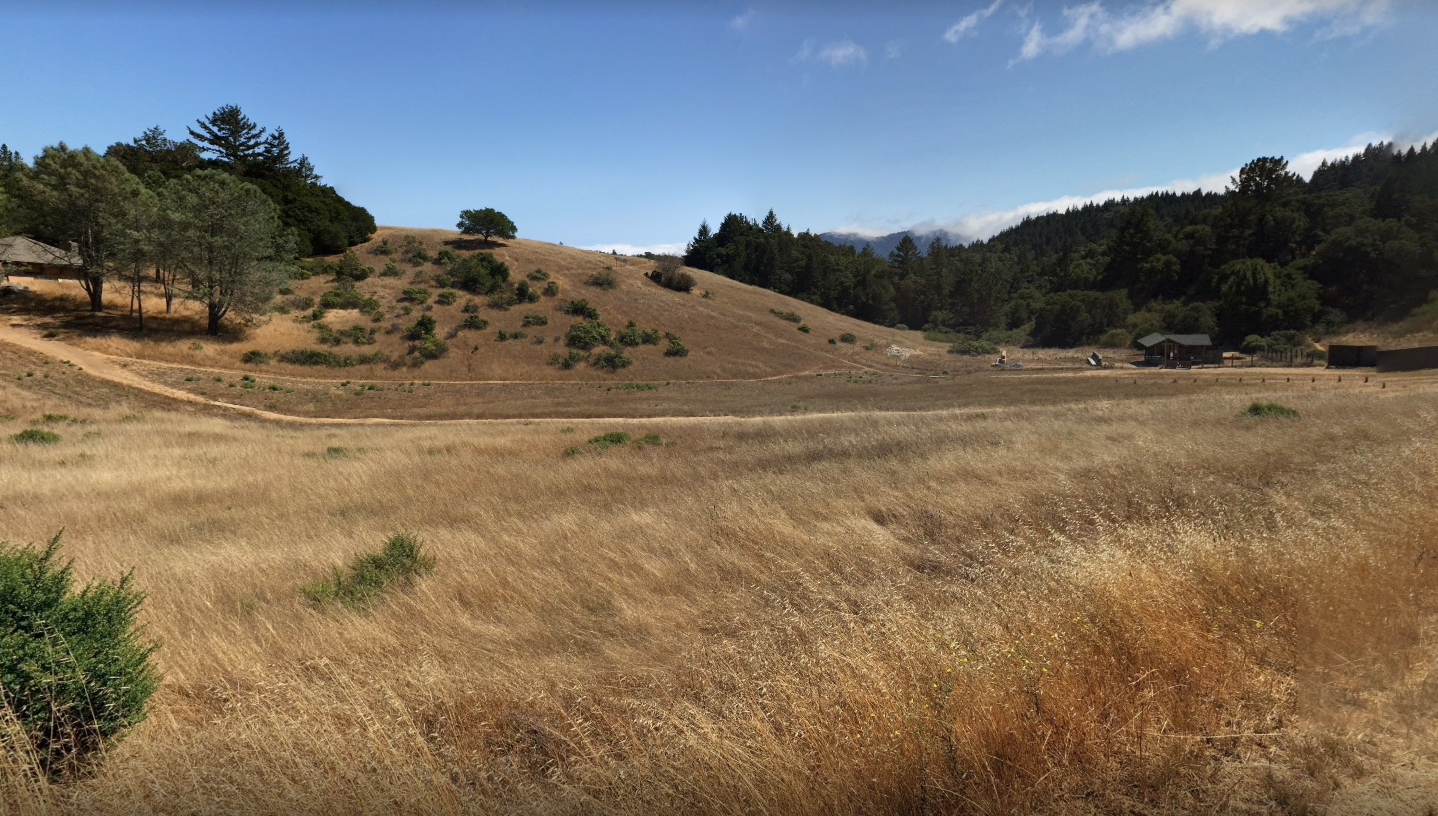
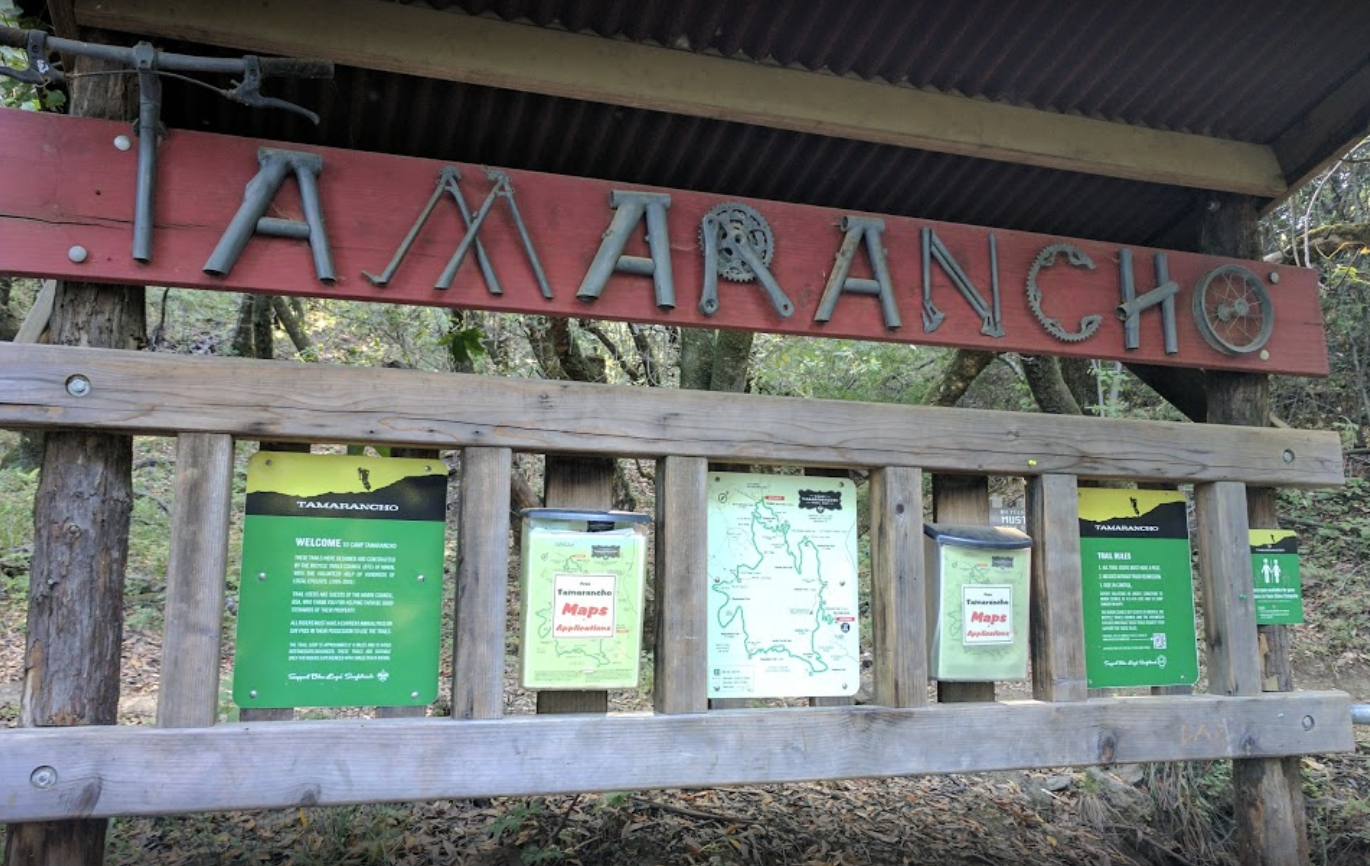
William Bradbury, 37, a Boy Scout camp staffer, who was performing roadwork outside Fairfax died after the road collapsed and his tractor tumbled approximately 250 feet down an embankment. at Camp Tamarancho on Iron Springs Road in Fairfax, California


William Bradbury, 37, Killed In Tractor Accident After Road Collapsed Near Camp Tamarancho Causing Tractor To Tumble Down Hill in Marin County on Iron Springs Road
 

(UPDATE): William Bradbury, 37, Killed In Tractor Accident Near Camp Tamarancho After Road Collapsed Causing Tractor To Tumble Down Hill in Marin County

DANGEROUS ROAD COLLAPSED CAUSING FATAL TRACTOR ACCIDENT

MARIN COUNTY, CALIFORNIA (October 24, 2017) – A volunteer ranger for the Boy Scouts of America was tragically killed in a tractor accident after it tumbled down a hill near Camp Tamarancho in Marin County.

Authorities in Marin County have been able to identify the volunteer Boy Scouts of America leader that died as 37-year-old William Bradbury. Police are saying that William Bradbury was driving in the area of 500 Iron Springs Road in an unincorporated area of Fairfax prior to the accident.

William Bradbury was driving the skip-loader tractor and then began performing roadwork around Iron Springs Road in Fairfax. The road that William Bradbury was working on collapsed and sent him and the skip-loader tractor 250 feet down a hillside.

Firefighters and paramedics rushed the to the scene of the accident and were able to extricate the Boy Scouts of America volunteer. He was airlifted to the John Muir Medical Center in Walnut Creek and was later pronounced dead.

The cause of the road collapse that led to the accident remains unknown at this time.
==========================

A Boy Scout camp staffer who was performing roadwork outside Fairfax died Monday after the road collapsed and his tractor tumbled approximately 250 feet down an embankment.

The incident occurred just after 8:30 a.m. at Camp Tamarancho on Iron Springs Road, said California Highway Patrol Officer Andrew Barclay. The man was operating a skip-loader tractor to level gravel that had been dumped as part of a road project.

The victim reportedly pulled the tractor over slowly to the right shoulder to allow a vehicle to pass. The road collapsed and the tractor rolled off the edge, Barclay said.

The 37-year-old Fairfax man was airlifted to the trauma unit at John Muir Medical Center in Walnut Creek. He was pronounced dead at about 12:30 p.m., Barclay said.

The coroner’s office in Contra Costa County did not release the man’s name pending confirmation of his identity.

Michael Dybeck, Scout executive and CEO of the Marin Council, Boy Scouts of America, declined to comment on the circumstances of the incident.

“This is an extremely difficult time for our scouting family,” he said in an email. “We’re sad to confirm the death of our ranger for Camp Tamarancho. Please join us in keeping his family in your thoughts and prayers. We will support them in any way we that we can.”


=======================
Monday, October 23, 2017 11:42AM
FAIRFAX, Calif. (KGO) -- CHP officials told ABC7 News a construction worker was operating a piece of heavy equipment when it became unstable and rolled approximately 200 feet down an embankment off of Iron Springs Road in Fairfax Monday morning.

Emergency crews transported the man to John Muir Medical Center in Walnut Creek in critical condition.


==================


William Bradbury Killed Tractor Crash near Camp Tamarancho in Fairfax
Fairfax Man Dies after Tractor Tumbles Down on Iron Springs Road Due to Road Collapse


FAIRFAX, CA (October 23, 2017) – A volunteer ranger for the Boy Scouts of America was tragically killed in a tractor accident Monday morning near Camp Tamarancho in Marin County.

The incident occurred just after 8:30 a.m. at Camp Tamarancho and Iron Springs Road.

The victim, identified as a 37-year-old William Bradbury of Fairfax, was operating a skip-loader tractor to level gravel that had been dumped as part of a road project. He was driving in the area of 500 Iron Springs Road in an unincorporated area of Fairfax prior to the accident.

He reportedly pulled the tractor over slowly to the right shoulder to allow a vehicle to pass, when the road he was working collapsed and his tractor tumbled about 250 feet down an embankment, according to reports.

Firefighters and paramedics rushed to the scene and were able to extricate Bradbury. He was airlifted to the trauma unit at John Muir Medical Center in Walnut Creek, where he was later pronounced dead.

The cause of the road collapse that led to the accident remains unknown at this time.

During this heartbreaking time of loss, we would like to send our heartfelt sympathies and deepest condolences to the family and friends of William Bradbury.

Firefighter James Hargrave, with the Walsh Fire Station, was killed in a crash between a fire tanker being driven by Hargrave and a pickup truck.


We regret to pass on that a Firefighter was killed in the Line of Duty while operating at a major wind driven wildfires that tore through southern Alberta (Canada) last night.

34 year old Cyrpress County Firefighter James Hargrave, with the Walsh Fire Station, was killed in a crash between a fire tanker being driven by FF Hargrave and a pickup truck. He leaves behind his wife and several children. Our condolences to all-Rest in Peace.

Just across the border in Saskatchewan several Firefighters were also injured fighting wildfires in the southwestern part of the province.

Back here in the USA, 6 Firefighters were injured fighting fires in the Santa Cruz mountains of California. 


More firefighters die or injured in crashes and during training than during firefighting.

==================

Alberta firefighter killed in water tender crash


James Hargrave. Photo from the office of Agriculture Minister Oneil Carlier.


A volunteer firefighter from southeast Alberta was killed in a vehicle accident Tuesday night October 17.

James Hargrave, a 34-year old firefighter with Cypress County Fire Services was working on a wildfire that started in Alberta and spread into Saskatchewan where it was moving toward the towns of Leader and Burstall.

Mr. Hargrave was driving a water tender that collided with a pickup. The Royal Canadian Mounted Police said he died at the scene. The driver of the pickup had minor injuries.

“James was very community-minded and joined the fire services to help and protect residents far and near. He was a great father and will be dearly missed by his wife, children, extended family, friends, neighbours and fellow first responders,” Cypress County said in a news release. “He was a great father and will be dearly missed by his wife, children, extended family, friends neighbours and fellow first responders.”

Our sincere condolences go out to Mr. Hargrave’s family, coworkers, and friends.

======================


Driver of Water Truck Dies in Crash, Bringing Death Toll in NorCal Fires to 41

Posted 11:46 AM, October 16, 2017, by Los Angeles Times


Brandon Tolp, a San Bernardino-based firefighter, performs a firing operation to prevent the flames from crossing Highway 29 on Oct. 12, 2017. (Credit: Marcus Yam / Los Angeles Times)

The death toll climbed to 41 Monday when the driver of a water tender truck died in a rollover crash while helping to battle a series of wildfires ravaging Northern California, according to officials.

A private contract driver was delivering a tank full of water to help fight the Nuns fire when the large vehicle rolled over on Oakville Grade in Napa County about 7 a.m. Monday, killing the driver, according to Cal Fire and California Highway Patrol officials.

“This has been the deadliest week that we’ve experienced here in California… from wildfires,” Cal Fire spokesman Daniel Berlant said Monday.

In the last week, the fires have scorched more than 200,000 acres, destroyed or damaged more than 5,500 homes, displaced 100,000 people and killed at least 41.